The Big Lung Cancer Conversation
Anyone can get lung cancer.
Know the risks.
Know the signs.
Including younger people and people who have never smoked.

Launching in Brussels on 17 November
It’s time to get people talking.
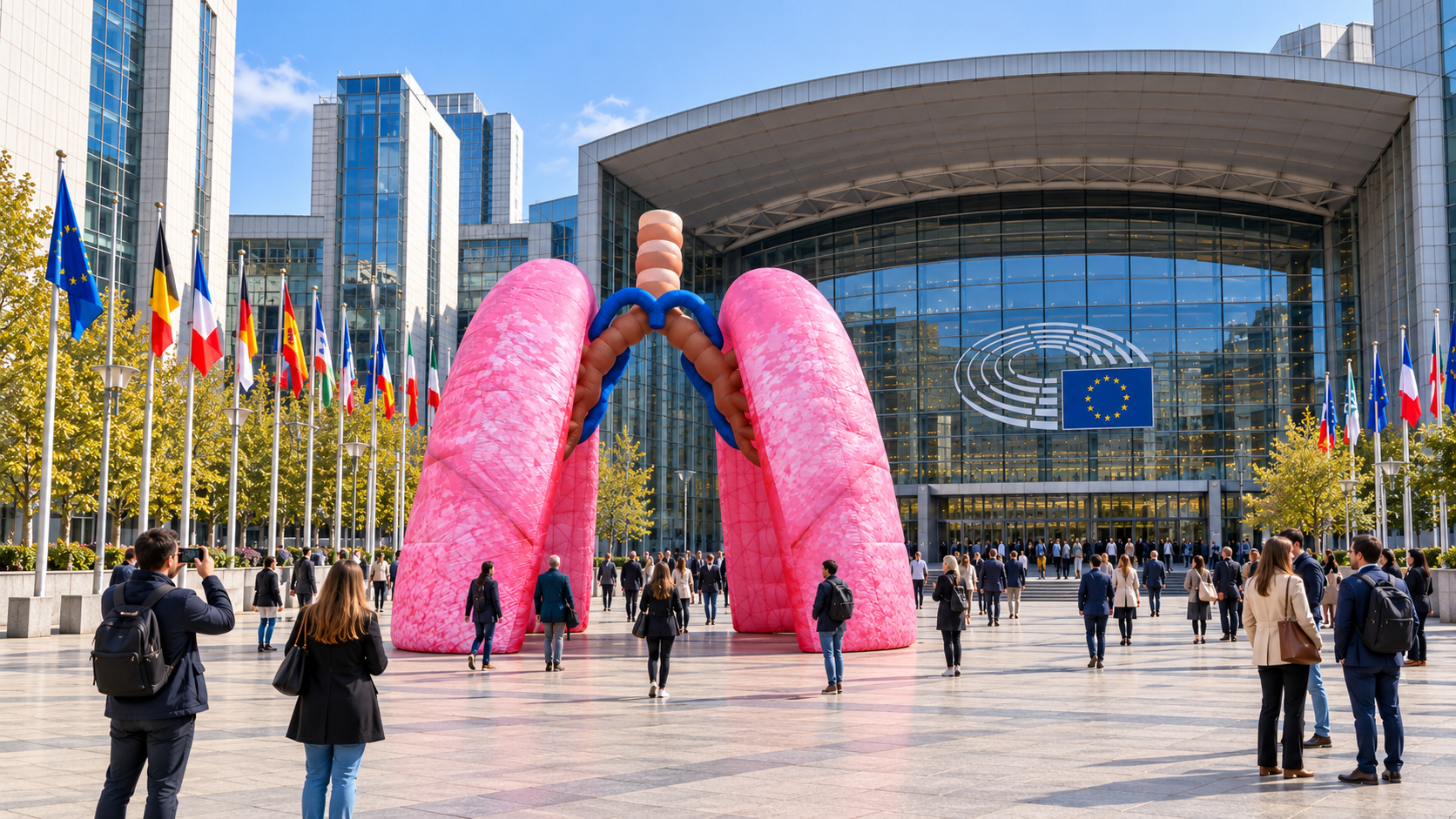
We’re bringing lung cancer into public spaces to challenge misconceptions, help people recognise symptoms and encourage earlier diagnosis.
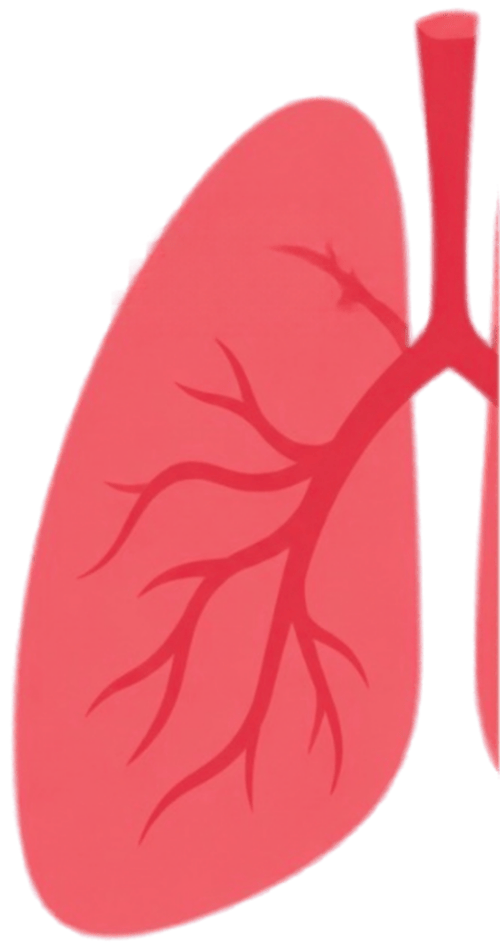
The Big Lung Cancer Conversation is a giant pair of 8-metre lungs that Lung Cancer Europe is taking on tour across Europe with our member organisations. Wherever the lungs stop, local lung cancer organisations will be there to talk about the risks, the signs and why finding lung cancer early can make a big difference.

The Big Lung Cancer Conversation
Taking lung cancer awareness across Europe


Know the risks.
Lung cancer can affect anyone. Smoking is the biggest risk factor, but there are other risk factors too.
Smoking and second-hand smoke
The biggest risk factor.

Air pollution
Including vehicle exhaust fumes.

Lung diseases
Such as COPD and pulmonary fibrosis.
Radon
A natural radioactive gas that can build up in buildings.

Workplace exposures
Such as asbestos, silica and other substances.

A family history
Of lung cancer, or a previous cancer or chest radiotherapy.

Lung cancer affects people from all backgrounds.

What are the symptoms of lung cancer?
They can include:
A cough that won’t go away or changes

Unexplained breathlessness
Repeated chest infections

Chest or shoulder pain

Unusual tiredness

Unexplained weight loss or loss of appetite

Coughing up blood

A hoarse voice


Some people have only one symptom. Early lung cancer may cause no symptoms.
DID YOU KNOW?
55%
of people with lung cancer surveyed across Europe knew little or nothing about their risk before their diagnosis.
Source: Lung Cancer Europe, 9th Report (2024), 1,424 respondents with lung cancer. Figure rounded from 55.3%.
Finding lung cancer early can make a big difference.


Don’t ignore the signs.
If you have symptoms that are not going away or are unusual for you, get them checked.
When it is found early, treatment is more likely to be successful and may offer a chance of cure.
There is hope, even with advanced lung cancer. Newer treatments, including targeted therapies and immunotherapy, have improved outcomes for many people and can help them live longer with a good quality of life.
FOR MEMBER ORGANISATIONS
Brussels is just the beginning.
Could your organisation bring our 8-metre lungs to your community? We’re inviting members across Europe to register their interest in hosting the display.
We cover the lungs
Lung Cancer Europe pays for everything to do with the lungs: transport, insurance and any pitching or site costs.
You bring the local team
Your organisation secures written confirmation from your key opinion leaders and completes the documents needed to pitch the lungs and hold a public awareness event.
Extras are up to you
Anything extra on the day, such as free refreshments, is arranged and paid for by your organisation.
Real stories of lung cancer
People affected by lung cancer share how it was found. The first signs were not always what they expected.

Rasika
UK, diagnosed at 26
Rasika was fit and had never smoked. Her cough was put down to allergies until she pushed for an X-ray.

Émilie
France, diagnosed at 36
Émilie saw at least nine doctors and was told it was stress, then reflux, before she was diagnosed.
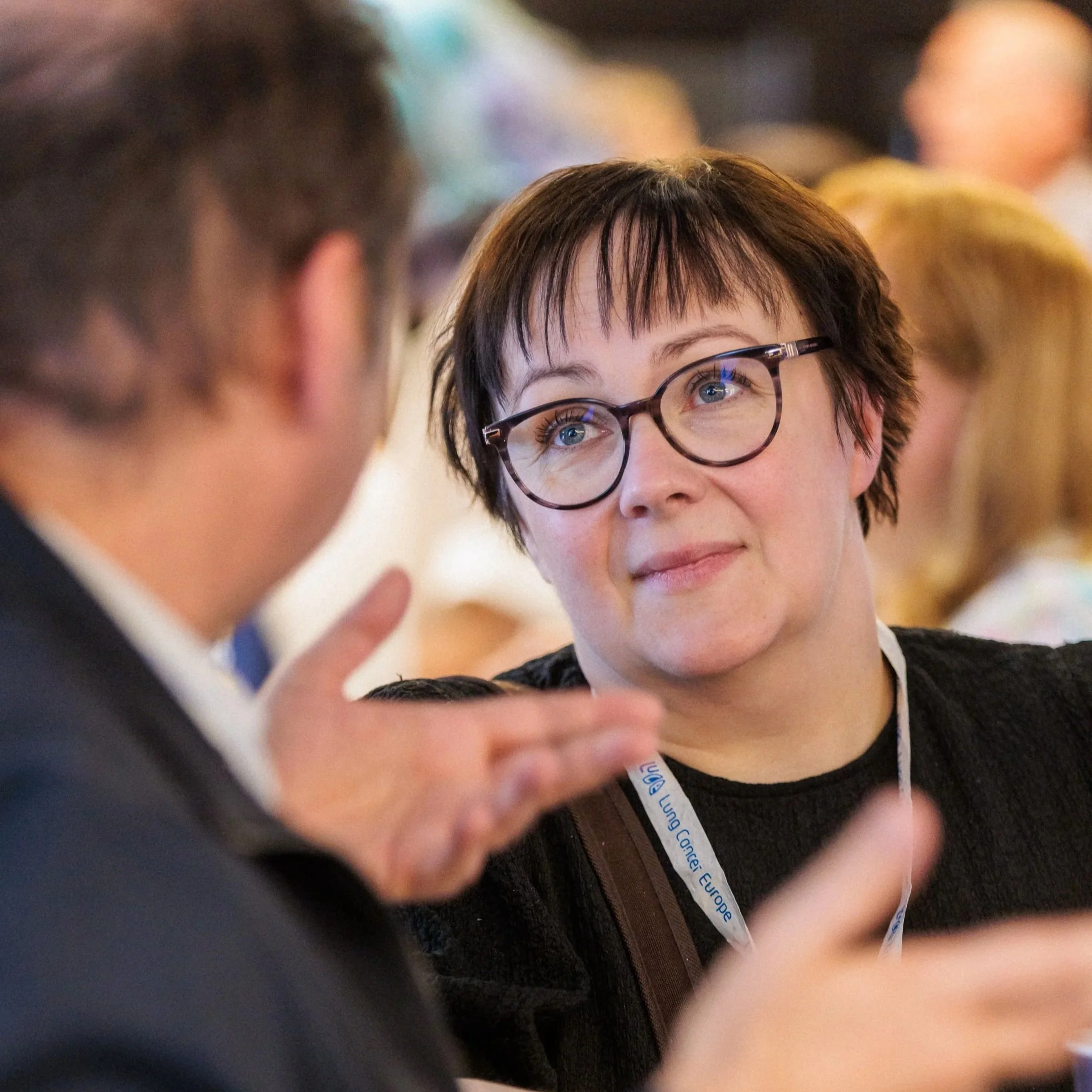
Suvi
Finland, diagnosed in her early forties
Suvi found it hard to breathe while cycling. Her doctor thought it was flu, until she ended up in hospital.
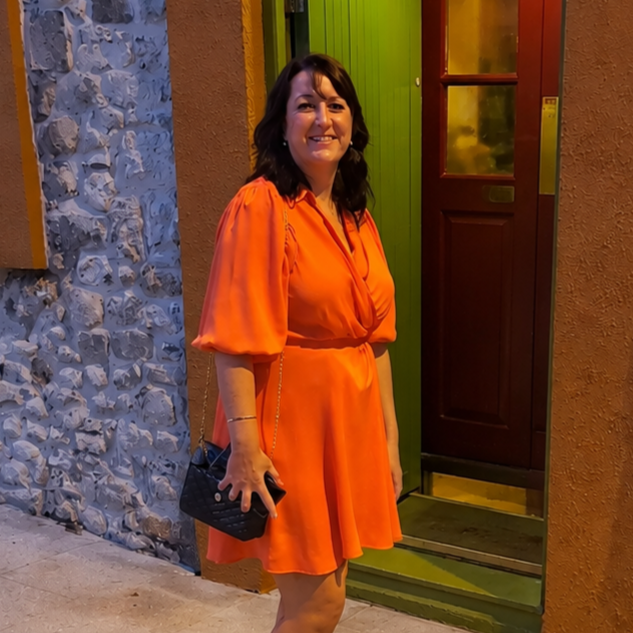
Samantha
Ireland
Samantha was breathless, hoarse and exhausted. For six months it was put down to long Covid, until she pushed for an X-ray.
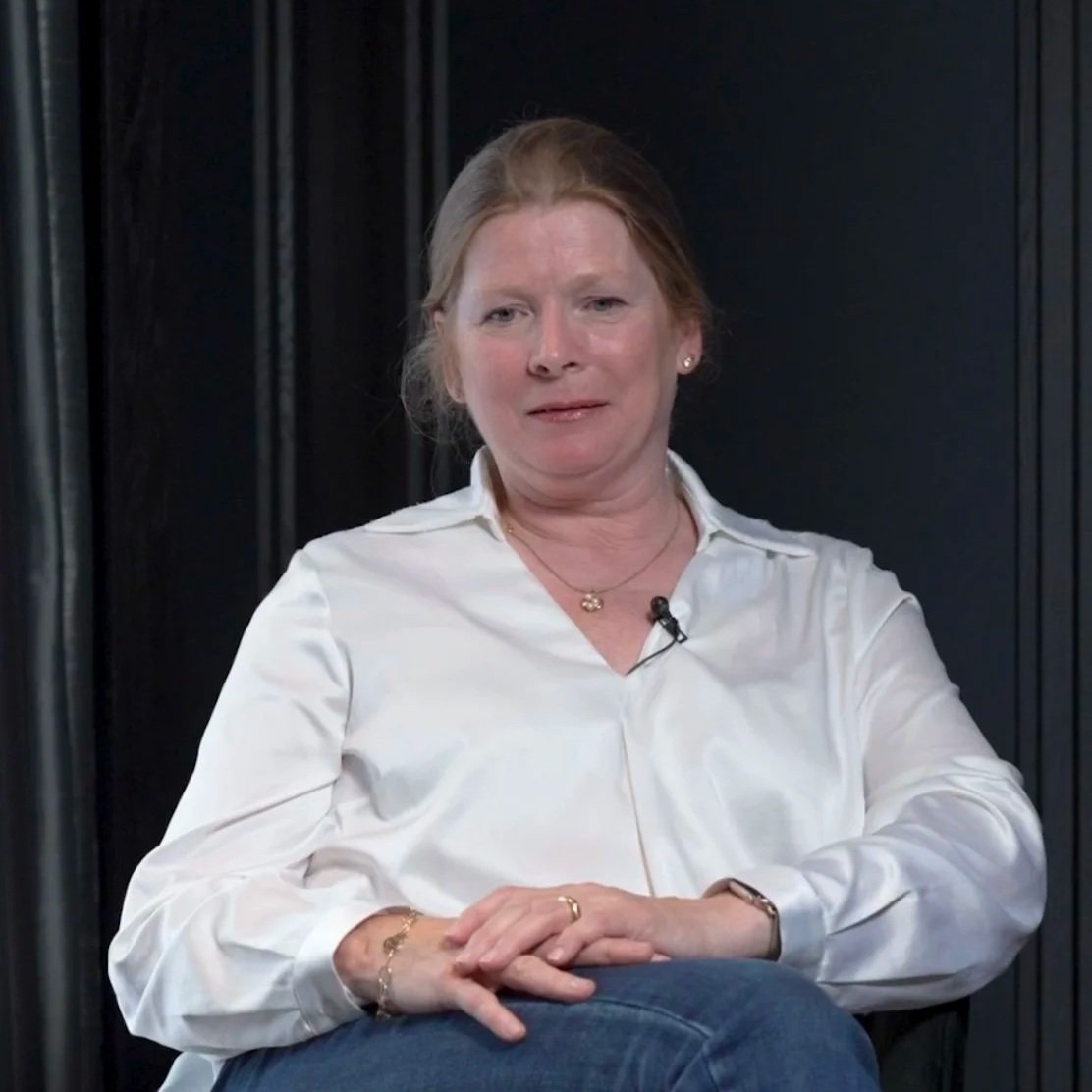
Sophia
France, diagnosed at 58
Sophia was fit and active when a cough and breathlessness led to a scan. Her lung cancer was found early enough for surgery.
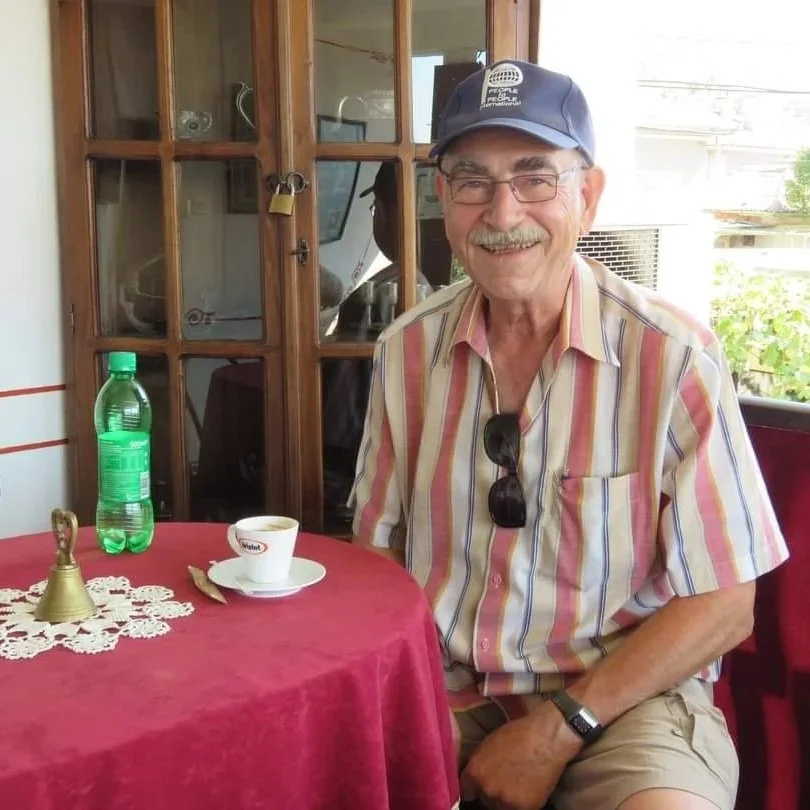
Ernst
Switzerland, diagnosed at 75
Ernst had no cough or breathlessness. His first sign was a pain under his shoulder that spread down his arm.
Keep the conversation going
Find an organisation near you
Our members support people affected by lung cancer in countries across Europe.
Learn more about lung cancer
Risks, symptoms and when to see a doctor, from our Get Checked! campaign.
Sign up for our newsletter
Keep up to date with Lung Cancer Europe and the wider lung cancer community.
Get in touch
Questions about The Big Lung Cancer Conversation? We’d like to hear from you.