
6th Lung Cancer Europe Report
Experiences and quality of life of people impacted by lung cancer in Europe
Published November 2021
Lung Cancer Europe’s sixth report explored how lung cancer affected everyday life, physical functioning and quality of life for people living with the disease and those caring for them.
The research looked at symptoms and side effects, daily activities, communication with healthcare teams, involvement in treatment decisions, supportive care and end-of-life discussions. It followed the 2020 report on psychological and social impact by looking more broadly at the healthcare and practical needs experienced throughout care.
The final survey sample included 800 people, alongside 16 qualitative interviews with people living with lung cancer and caregivers from across Europe.
800 people
included in the final survey sample
21 countries
represented across Europe
15 languages
used for the survey
The survey ran from 20 May to 1 July 2021. The 800 participants included 515 people living with lung cancer and 285 caregivers.What the report looked at
Daily life and independence
How lung cancer, treatment and caregiving affected everyday activities, routines, work, independence and future plans.
Symptoms and side effects
The physical effects people experienced, including fatigue, sleep problems, breathing difficulties, weight changes and digestive problems, and how these affected quality of life.
Healthcare and treatment decisions
Access to healthcare, communication with healthcare teams, information needs and involvement in decisions about treatment and care.
Quality of life and support
Physical and emotional wellbeing, unmet support needs, the experience of caregiving and communication about end-of-life care.
Key findings
Living with lung cancer affected far more than treatment alone.
Among people living with lung cancer, 91.2% experienced some limitation in daily activities, with fatigue the most frequently reported reason. Almost half needed assistance with at least one everyday activity at least some of the time.
The most commonly reported symptoms and side effects included fatigue, sleep disturbance, weight changes, breathing difficulties and digestive problems. More than half had reduced their level of physical activity since diagnosis.
The experience of caregivers
The report also documented the substantial impact of caregiving.
88.6% of caregivers reported some limitations in daily life related to caregiving, while 82.3% reported some deterioration in their own physical health after their loved one was diagnosed.
Only around one in three felt supported in their role as a caregiver. More than half said they had received no support from healthcare professionals to maintain or improve their own health and quality of life, and 84.4% identified at least one unmet information or support need.
Communication and treatment decisions
Most people living with lung cancer reported positive experiences of communication with healthcare teams, but important gaps remained.
One in four reported little or no involvement in treatment decisions, while one in five said their opinion was never or rarely considered. At the same time, 72.2% strongly felt that their preferences should be taken into account when treatment options were decided.
End-of-life communication was a particular gap. Only 8.8% had fully discussed their preferences for end-of-life care with their healthcare team, while 32.2% had not had this discussion even though they would have liked to.
“Family support is critical. I have also counted on patient associations, where I found people to talk to and share my experiences and worries.”
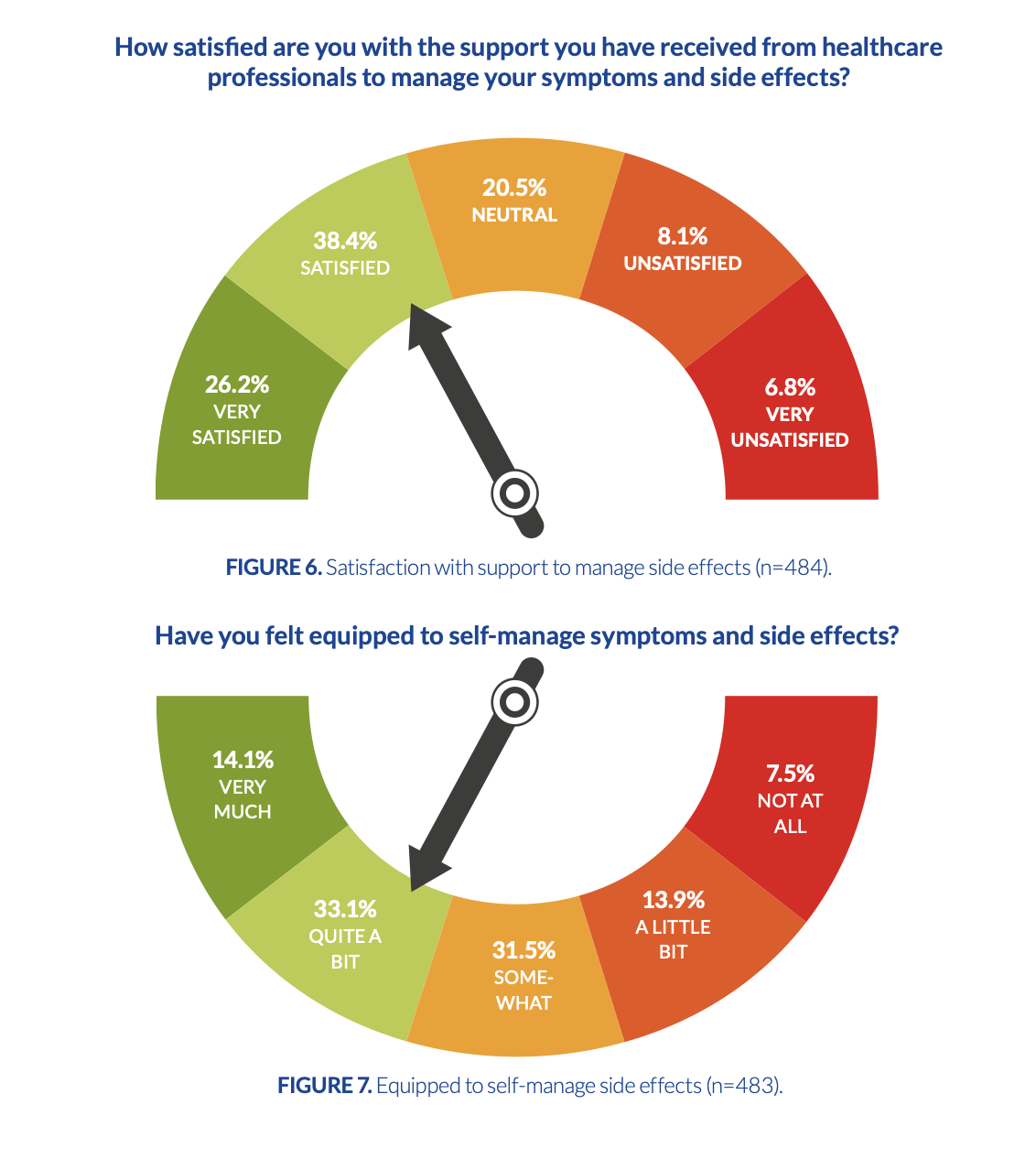
Support needs extended well beyond medical treatment. Around one in three respondents said they had missed information or support on managing side effects, psychological counselling, nutrition and exercise, or medical issues.
What Lung Cancer Europe called for
Better access to supportive care
Make sure people affected by lung cancer can access support for the physical, practical and emotional effects of the disease and its treatment.
Individual care plans
Develop care plans and educational programmes that improve quality of life, with access to multidisciplinary healthcare teams from diagnosis and throughout care.
Better communication
Improve communication between people affected by lung cancer and healthcare professionals, including communication training for medical and nursing professionals.
Better end-of-life conversations
Support earlier and clearer conversations about end-of-life care, wishes and expectations, including shared decision-making.
Quality of life throughout care
Experiences and quality of life of people impacted by lung cancer in Europe showed the wide range of physical, practical and emotional needs experienced by people living with lung cancer and those caring for them.
Published in 2021, the report reinforced the need for person-centred, multidisciplinary care that considers daily life and quality of life alongside treatment, and recognises caregivers as people with support needs of their own.
Quality of Life Through Care
Lung Cancer Europe 6th Report