
7th Lung Cancer Europe Report
Challenges in the care pathway and preferences of people with lung cancer in Europe
Published November 2022
From the first signs and symptoms through to diagnosis, treatment, support and follow-up, the lung cancer care pathway should be timely, clear and built around the person.
Lung Cancer Europe’s seventh report examined how people diagnosed with lung cancer experienced each stage of care across Europe. It looked at delays, communication, treatment decisions, access to support and what people said would improve their care.
Between May and July 2022, 991 people diagnosed with lung cancer from 25 countries in the WHO European Region completed the survey. The report also included case studies based on responses from 24 lung cancer experts in the Netherlands and Romania.
991 people
completed the European survey between May and July 2022
25 countries
represented across the WHO European Region
85.3% people
who had completed active treatment said
they had missed information or support
What the report looked at
Diagnosis
The time between first symptoms, seeking medical advice, referral to a lung specialist, diagnosis and the start of treatment.
Treatment
How treatment decisions were made, whether people received clear information and understood informed consent, and the difficulties experienced during surgery, radiotherapy and drug treatment.
Support and follow-up
Whether physical, emotional and social needs were addressed, access to supportive services, communication with healthcare teams and the information people received after active treatment.
Improving the care pathway
What people said could make diagnosis, treatment and follow-up faster, clearer and easier to navigate.
Key findings
Delays were common at several points in the lung cancer care pathway.
Four in ten people waited more than one month after first experiencing symptoms before contacting a doctor. More than four in ten did not start treatment within one month of diagnosis.
People also wanted a clearer diagnostic process. More than eight in ten supported fast-track services to reduce waiting times, almost three quarters wanted a named healthcare professional they could contact directly, and 72.1% wanted a clear roadmap explaining the diagnostic process.
Information and treatment decisions
Only 52.7% said they had received and understood all the information they needed before signing an informed consent document.
When making treatment decisions, people particularly wanted clear information about:
the treatment options available
the advantages and disadvantages of each option
possible side effects
potential risks
Support after treatment
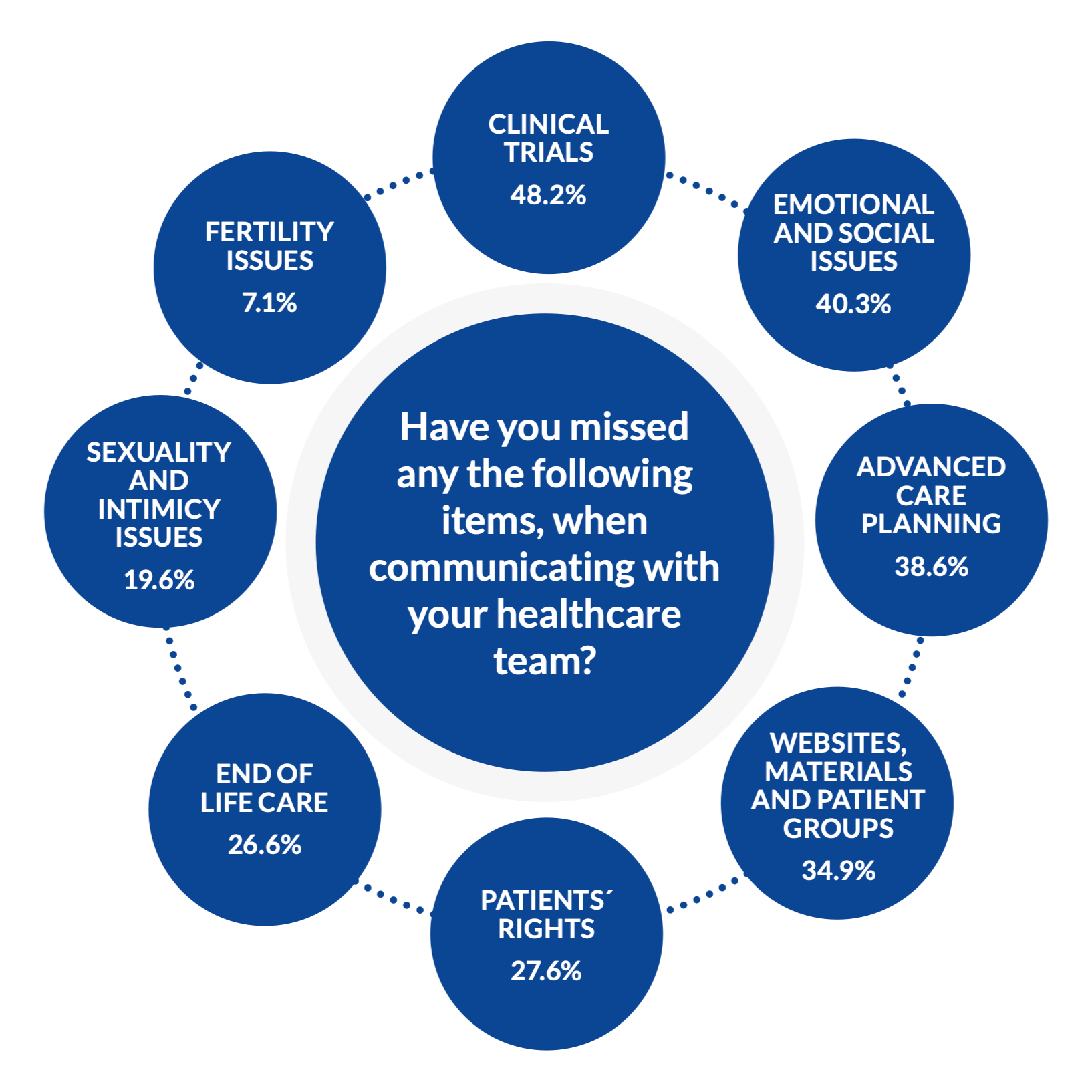
More than one in three people said their overall support needs had not been addressed well enough, with emotional needs the area most often overlooked.
Among people who had completed active treatment, 85.3% said they had missed information or support. This included information about signs that the cancer may have returned and help managing the longer-term effects of lung cancer and its treatment.
What Lung Cancer Europe called for
Faster diagnosis and treatment
Introduce rapid referral pathways that reduce the time between suspected lung cancer, diagnosis and the start of treatment.
Earlier detection
Expand targeted lung cancer screening programmes and improve public awareness of screening across Europe.
Clearer information
Provide complete and understandable information about lung cancer, treatment options, side effects and risks.
Better support throughout care
Make sure people have the information, practical support and emotional support they need to take part in decisions and manage the effects of treatment.
Making the care pathway easier to navigate
Challenges in the care pathway and preferences of people with lung cancer in Europe documented where delays, gaps in communication and unmet support needs were occurring across the care pathway.
The findings showed the need for faster referral and diagnosis, clearer information, better support after treatment and care that enables people to take an active role in decisions about their health.
Lung Cancer Early Diagnosis and Screening in Europe Lung Cancer Europe 4th Report