
Lung cancer screening saves lives. A new IARC review confirms it.
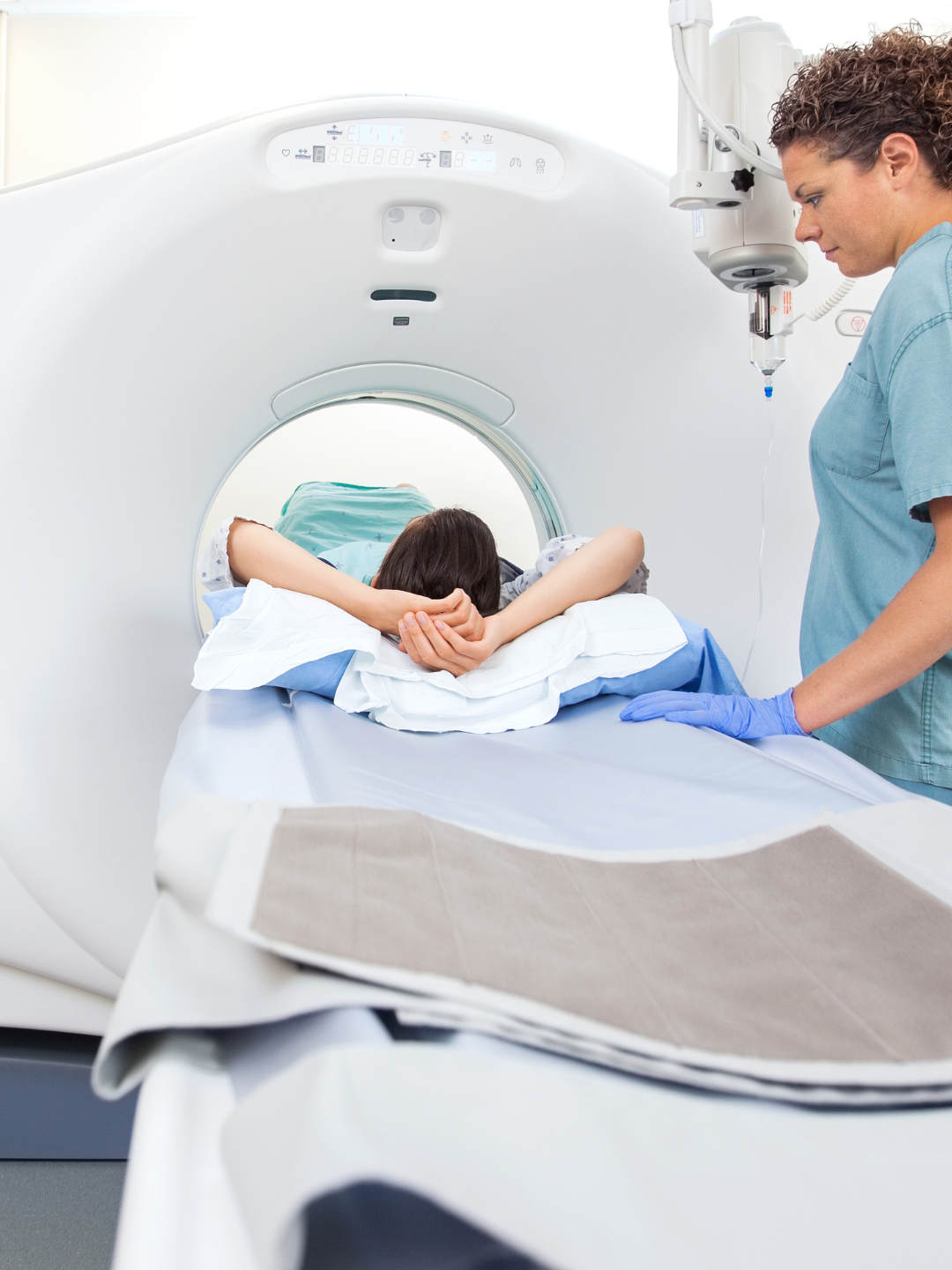
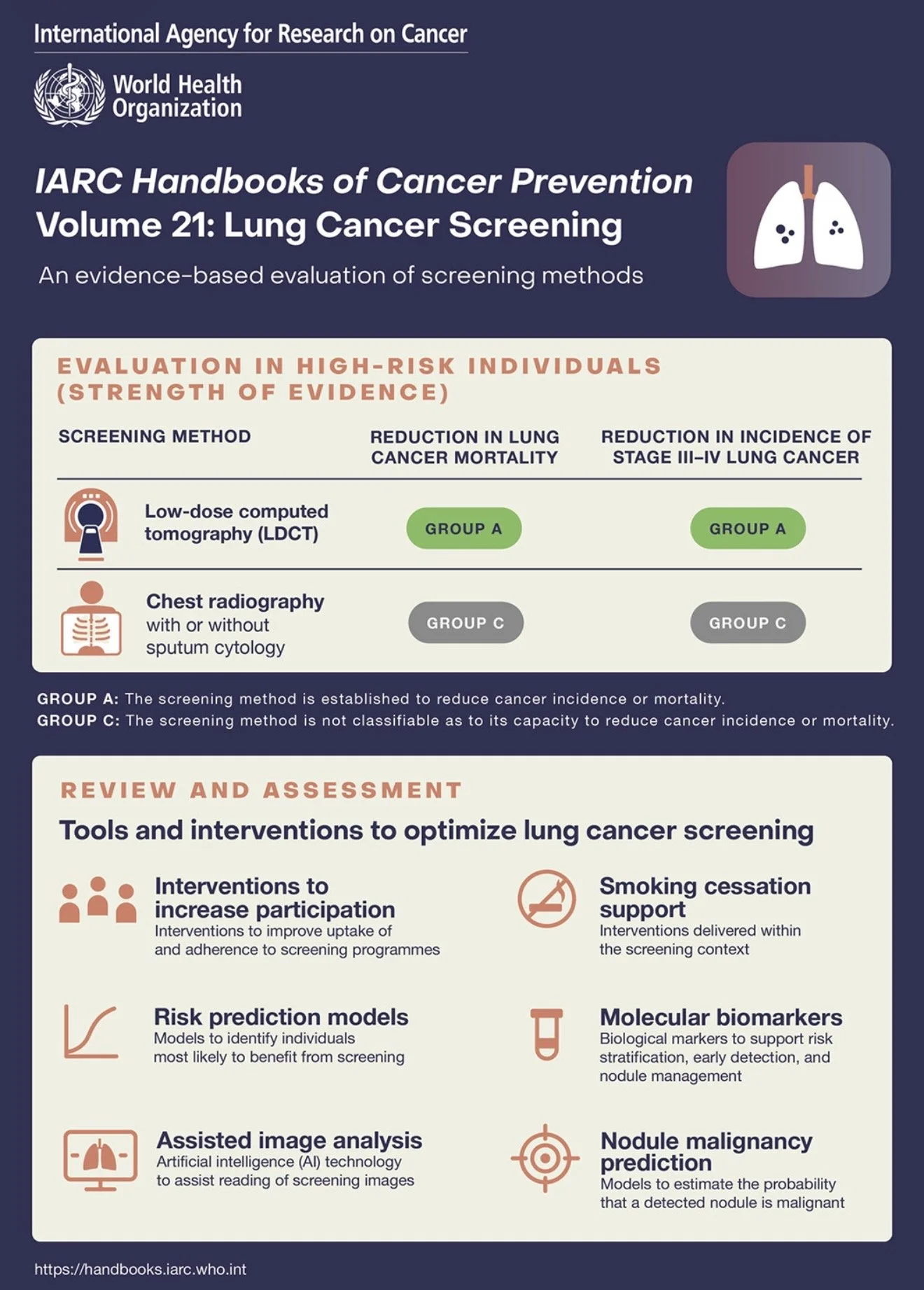
A new international review has confirmed that low-dose CT screening reduces lung cancer deaths in people at high risk. Published on 24 September 2026, the assessment by the International Agency for Research on Cancer (IARC) comes just days before the first EU Screening Week begins on 28 September.
The review also found that screening reduces diagnoses at stage III or IV. As Europe puts screening in the spotlight, Lung Cancer Europe wants attention on access: who is invited, who can attend a scan and what happens when a result needs follow-up.
What did IARC find about low-dose CT lung cancer screening?
IARC brought together experts from 17 countries to review studies of lung cancer screening. They looked at deaths from lung cancer, diagnoses at a late stage and possible harms, including false positive results and over-diagnosis.
The experts concluded that low-dose CT screening reduces lung cancer deaths and diagnoses at stage III or IV in people at high risk based on age and smoking history.
Countries can use these findings as they develop screening programmes. Each programme needs clear criteria for who is invited and a reliable process for following up results.
Why does access to lung cancer screening still vary?
Screening takes more than a scanner. Programmes must identify people who are eligible, invite them, explain the test, arrange appointments and follow up the results. They need trained staff and checks to make sure care is safe and consistent.
People may also need help with travel, time off work or booking an appointment. These barriers can keep people from taking part, even when they are eligible.
Our article, Lung cancer screening in Europe: how do we make access fair?, looks at what countries are learning as they develop their programmes.
Can patient navigation help people take part?
The IARC assessment also looked at ways to increase participation in screening. One approach was patient navigation: trained staff help people overcome barriers that might prevent them from attending.
In five of the six trials reviewed, navigation increased screening participation among underserved groups. Participation was two to five times as high as in the comparison groups. Most of these studies took place in the United States. European programmes will need to find approaches that fit their own health systems.
Support matters after the scan too. If a result needs further investigation, people need to know what will happen next and who they can contact. Our guide, What is lung cancer patient navigation?, explains how this support can help people move through lung cancer care.
What happens next for lung cancer screening in Europe?
EU Screening Week runs from 28 September to 4 October. It brings attention to screening and early detection across a range of health conditions.
For lung cancer, countries need to turn that attention into screening programmes that reach people at high risk and follow up results promptly. Who receives an invitation, who can attend a scan and what happens afterwards will determine who benefits.
Sources:IARC’s summary of the assessment and the article in The New England Journal of Medicine.