
Personalised cancer vaccine succeeds in Phase 3: what could it mean for lung cancer?
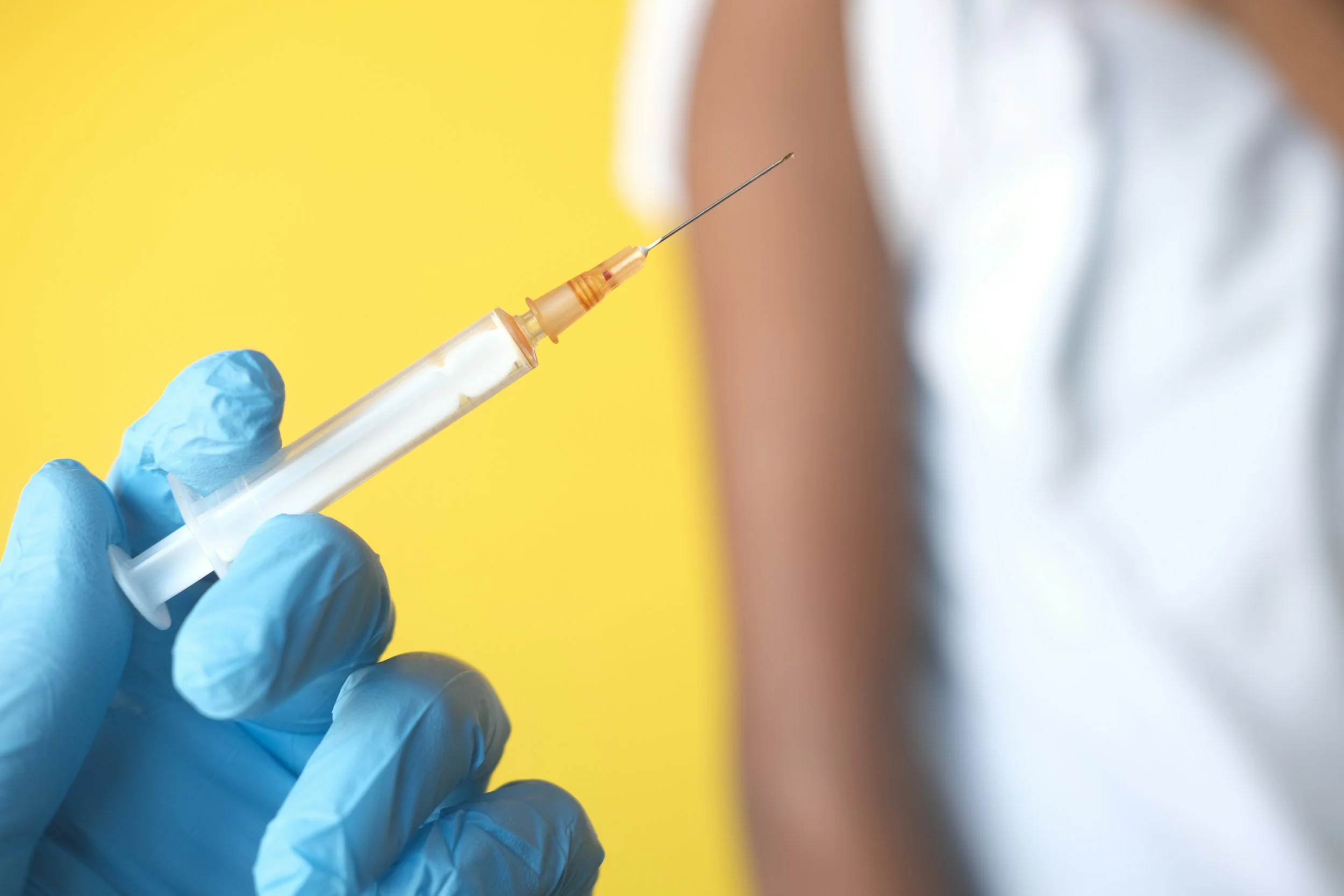
A personalised mRNA cancer vaccine has reported positive results in a Phase 3 melanoma trial, the first positive Phase 3 trial of an individualised mRNA-based cancer treatment.
The result is in melanoma, not lung cancer. But the same vaccine approach is already being tested in several Phase 3 trials in non-small cell lung cancer (NSCLC), and lung cancer specialists are watching keenly.
What did the personalised cancer vaccine Phase 3 trial find?
The Phase 3 INTerpath-001 trial studied intismeran autogene, previously known as V940 or mRNA-4157, together with the immunotherapy pembrolizumab.
The trial involved people with high-risk melanoma whose cancer had been completely removed by surgery.
According to topline results announced on 19 August 2026, adding the personalised vaccine to pembrolizumab significantly improved:
recurrence-free survival, the time before cancer returned or a person died
distant metastasis-free survival, the time before cancer spread to another part of the body or a person died compared with pembrolizumab alone.
The trial is continuing to assess overall survival.
The detailed results have not yet been presented at a medical meeting or published in a peer-reviewed journal, so figures showing the size of the benefit, subgroup results and full safety data are still to come.
Why are lung cancer experts interested in the personalised cancer vaccine result?
Because the same approach is already being tested in lung cancer.
Lung cancer and mesothelioma specialist Patrick Forde responded to the announcement with the question: “Next step lung cancer?” He also pointed to personalised vaccine trials that are already under way or have completed recruitment in lung cancer.
The approach was already being studied in NSCLC before the melanoma Phase 3 result.
Justin Gainor, Director of the Center for Thoracic Cancers at Massachusetts General Hospital, has previously described the personalised vaccine platform as an important development in precision medicine. Earlier clinical research has also shown that the treatment can produce sustained immune responses, including in people with NSCLC.
The melanoma trial now provides the first positive Phase 3 result for this type of individualised mRNA cancer treatment.
That does not tell us how it will perform in lung cancer. The NSCLC trials still need to provide that evidence.
What is a personalised mRNA cancer vaccine?
These vaccines are made for one individual person, using information from their tumour.
Researchers sequence the tumour and identify mutations that can produce abnormal proteins known as neoantigens. Because these neoantigens are associated with the cancer cells rather than normal cells, they can act as targets for the immune system.
An individual mRNA treatment is then produced using a selection of those targets.
In simple terms:
sequence the tumour → identify cancer-specific targets → make a personalised mRNA treatment → help the immune system recognise those targets
Intismeran autogene can include instructions for up to 34 neoantigens selected from an individual person’s tumour.
The term cancer vaccine can be confusing. This is not a vaccine intended to prevent someone from developing cancer in the way that an infectious-disease vaccine prevents infection.
It is a therapeutic cancer vaccine, designed for someone who has already had cancer.
Why could personalised cancer vaccines be useful after lung cancer surgery?
Several of the current lung cancer studies are testing the vaccine after potentially curative treatment.
Surgery can remove all visible lung cancer, but microscopic cancer cells can sometimes remain in the body. These can later lead to recurrence.
Current treatments given before or after surgery can reduce that risk, but recurrence remains a problem for some people with NSCLC.
Personalised vaccines are being studied as another way of helping the immune system recognise cancer cells that may remain after treatment.
Whether they can actually reduce lung cancer recurrence is one of the questions the Phase 3 trials are designed to answer.
Which personalised cancer vaccine trials are under way in lung cancer?
The INTerpath research programme includes several studies of intismeran autogene in NSCLC.
INTerpath-002 personalised cancer vaccine trial in resected NSCLC
INTerpath-002 is studying people with stage II, IIIA and selected stage IIIB NSCLC whose lung cancer has been completely removed by surgery.
The Phase 3 trial compares:
intismeran autogene plus pembrolizumab
with pembrolizumab plus placebo
The main outcome is disease-free survival: how long people live without their cancer returning.
INTerpath-009 personalised cancer vaccine trial in resectable NSCLC
INTerpath-009 is another Phase 3 study in people with resectable stage II to IIIB NSCLC.
Participants have already received pembrolizumab and chemotherapy before surgery but still had cancer cells present in the tissue removed during their operation.
After surgery, the trial is comparing pembrolizumab plus the personalised vaccine with pembrolizumab plus placebo.
The study includes international sites, including sites in Europe.
INTerpath-014 personalised cancer vaccine trial in stage I NSCLC
INTerpath-014 is studying the personalised vaccine in people with high-risk stage I NSCLC that has been completely removed.
The Phase 3 trial began in 2026 and plans to enrol around 876 people.
Researchers are assessing whether treatment with intismeran autogene can increase the time people remain free of disease.
Could personalised mRNA vaccines work in lung cancer?
We do not know yet.
There are reasons researchers think the approach is worth testing in NSCLC.
Personalised cancer vaccines rely on mutations in a tumour producing neoantigens that the immune system can recognise. Melanoma often contains a high number of mutations, which has made it an important cancer in the development of this technology.
Many lung cancers can also carry substantial numbers of mutations, particularly some smoking-associated cancers, although NSCLC is biologically diverse.
A treatment that works in melanoma cannot therefore be assumed to work in lung cancer.
That is why the ongoing lung cancer trials are important.
What are cancer experts saying about the Phase 3 result?
The result has also drawn attention from researchers working across different cancers.
Lennard Lee, a consultant medical oncologist and Associate Professor at the University of Oxford, described the result as an important moment for personalised cancer treatment and highlighted the wider implications of showing that an individualised mRNA approach could work in a Phase 3 trial.
Ryan Sullivan, Director of the Melanoma Center at Massachusetts General Hospital, said the findings were significant for the wider field and could have implications for how other cancers are treated.
Julie Gralow, Chief Medical Officer of the American Society of Clinical Oncology, described the result as an important validation of mRNA technology in cancer treatment.
Researchers have also stressed that the announcement is based on interim topline results. The complete Phase 3 data still need to be reviewed.
For lung cancer researchers, the next evidence will need to come from the NSCLC trials themselves.
Does this mean there is now a personalised vaccine for lung cancer?
No.
The positive Phase 3 result announced in August 2026 is from a melanoma trial.
Intismeran autogene remains an investigational treatment in lung cancer.
There are Phase 3 NSCLC studies under way, but none has yet shown that this personalised mRNA vaccine reduces recurrence or improves survival in people with lung cancer.
What do we still need to know about personalised cancer vaccines?
The full melanoma results are the first thing to watch.
They should provide more information about:
the size of the improvement in recurrence-free survival
the size of the improvement in distant metastasis-free survival
side effects
which groups benefited most
whether an overall survival benefit develops with longer follow-up
There are also practical questions around personalised treatment.
Each vaccine has to be created from the genetic characteristics of an individual’s tumour. If the approach eventually enters routine cancer care, manufacturing time, cost and access will all need to be considered.
For NSCLC, there is a more immediate question: will the positive melanoma result be repeated in lung cancer?
Several Phase 3 trials are already working towards an answer.
Personalised cancer vaccines and lung cancer: key points
What happened?
A personalised mRNA cancer vaccine plus pembrolizumab produced positive Phase 3 results in people with high-risk melanoma.
Was this a lung cancer trial?
No.
Why are lung cancer specialists interested?
The same vaccine technology is already being studied in several Phase 3 NSCLC trials.
Is there a personalised mRNA vaccine available for lung cancer?
No. This remains an investigational approach.
What happens next?
The full melanoma results are still to come, while Phase 3 lung cancer trials continue.
FAQs about personalised cancer vaccines and lung cancer
What is a personalised cancer vaccine?
A personalised cancer vaccine is designed using information from one person’s tumour. Researchers identify cancer-specific targets and create an individual treatment designed to help the immune system recognise them.
What is an mRNA cancer vaccine?
An mRNA cancer vaccine uses messenger RNA to carry instructions that help the immune system recognise selected cancer targets.
Are cancer vaccines designed to prevent cancer?
Not all of them. Intismeran autogene is a therapeutic cancer vaccine. It is being studied as a treatment for people who have already had cancer, including after surgery when the aim is to reduce the risk of recurrence.
Is there an mRNA vaccine for lung cancer?
There is currently no approved personalised mRNA vaccine treatment for lung cancer. Several Phase 3 studies are investigating this approach in NSCLC.
What is V940?
V940 is a previous name for intismeran autogene, which was also known as mRNA-4157. It is an investigational personalised mRNA neoantigen treatment.
Is the personalised cancer vaccine being tested in Europe?
Yes. The international NSCLC development programme includes European trial sites.