
The Microbiome and Lung Cancer: How Gut Bacteria Could Change Treatment
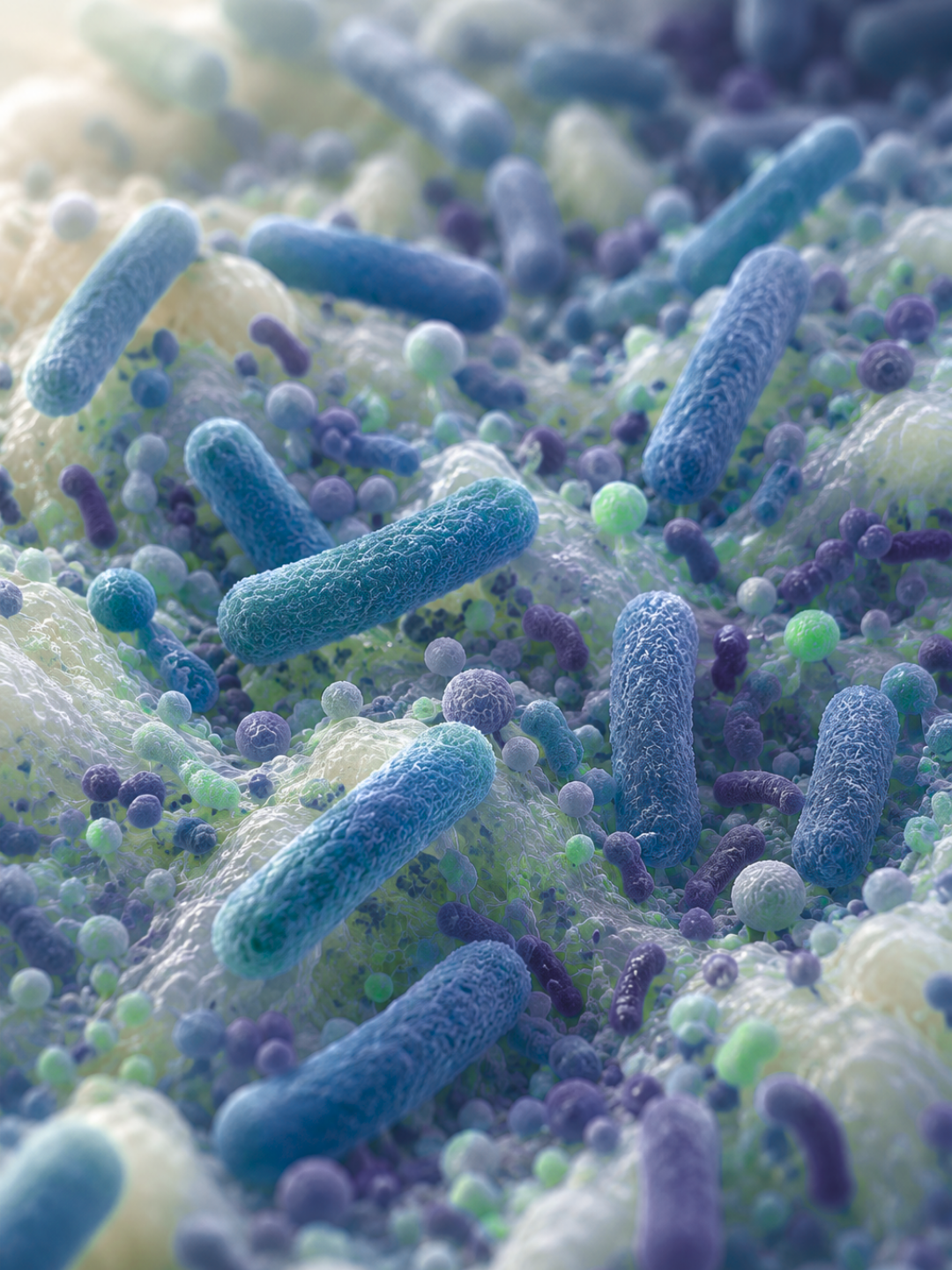
The trillions of microbes living in and on the human body may help decide how well lung cancer treatment works. Research into the microbiome is moving quickly, and it is starting to influence how scientists think about lung cancer, from why it develops to why immunotherapy helps some people and not others. This is a summary of what we know so far, in plain language, and what it might mean for people affected by lung cancer.
Quick summary
The microbiome is the community of bacteria and other microbes that live in the gut, the lungs and the mouth. It plays an active part in how the immune system works.
A growing body of research links the make-up of the gut microbiome to how well immunotherapy (immune checkpoint inhibitors) works in non-small cell lung cancer.
Higher microbial diversity tends to go with better outcomes. Antibiotics taken around the start of immunotherapy have been linked to poorer outcomes.
Scientists are now testing ways to change the microbiome to improve treatment, including faecal microbiota transplant (FMT), diet, and single molecules made by bacteria.
An early trial of FMT before immunotherapy in lung cancer produced encouraging results, but it was small and does not yet change routine care.
This research does not apply equally to everyone. People with EGFR-positive or ALK-positive lung cancer were not part of the main immunotherapy studies, and this is important to understand.
None of this is established clinical practice. It is not a basis for changing diet, taking probiotics or pursuing FMT outside a clinical trial.
What is the microbiome?
The human body is home to trillions of microorganisms, mostly bacteria, but also viruses, fungi and other tiny life forms. Together they are called the microbiome. Far from being passive passengers, these microbes help digest food, produce vitamins, and train and steer the immune system.
There is not just one microbiome. Different parts of the body host different communities:
The gut microbiome is the largest and best studied. It lives mainly in the large intestine and has the strongest known links to how the immune system responds to cancer treatment.
The lung microbiome was only recognised relatively recently. For a long time the lungs were assumed to be sterile. We now know they carry their own, much sparser, community of microbes.
The oral microbiome lives in the mouth. Because we constantly breathe and swallow, the mouth, gut and lungs are connected, and the balance of microbes in the mouth has been studied in relation to lung cancer risk.
When the balance of these communities is healthy and varied, that is generally a good sign. When it becomes disturbed, with a loss of helpful species or an overgrowth of unhelpful ones, scientists call this dysbiosis, and it has been linked to inflammation and disease.
What is the gut-lung axis?
The gut and the lungs may sound like separate systems, but they talk to each other constantly. Scientists call this two-way communication the gut-lung axis.
The gut microbiome helps set the overall “tone” of the immune system throughout the body, including in the lungs. Signals, immune cells and molecules produced in the gut can travel and influence how the immune system behaves elsewhere. This is one of the main reasons why bacteria in the intestine can affect how the body fights a tumour in the lung, and how it responds to treatments that work by activating the immune system.
Can the microbiome affect who develops lung cancer?
This is an active area of study, and the picture is still forming.
Some research suggests that the microbiome may play a part in how lung cancer starts and progresses, mostly through inflammation. Long-term, low-level inflammation can create conditions that encourage abnormal cells to grow.
Studies of the oral microbiome have found that lower diversity, meaning a less varied mix of bacteria in the mouth, may be associated with higher lung cancer risk. Work supported by the US National Cancer Institute has explored these links, although association does not prove cause, and factors such as smoking strongly affect both the mouth and the lungs.
Research into the lung microbiome itself has found that certain bacteria more usually found in the mouth can appear in the lower airways of people with lung cancer, and that this has been linked in some studies to inflammation and worse outcomes. Canadian research led by Dr Bertrand Routy has pointed to specific bacteria, such as Prevotella melaninogenica, being enriched in the lungs of people with lung cancer, and is investigating whether they help tumours grow.
It is important to be clear: this does not mean bacteria cause lung cancer, or that the microbiome outweighs the biggest known risk factors. It means the microbiome is one more piece of a complex puzzle that researchers are working to understand.
The microbiome and immunotherapy: the strongest evidence so far
The clearest and most exciting findings are about immunotherapy, specifically immune checkpoint inhibitors. These treatments, such as pembrolizumab and nivolumab, work by releasing the brakes on the immune system so it can attack cancer cells. They have transformed treatment for many people with lung cancer. But they do not work for everyone. More than half of people with non-small cell lung cancer show what is called primary resistance, meaning the treatment does not work for them from the outset.
So why do some people respond and others do not? Part of the answer appears to lie in the gut.
A landmark 2018 study published in the journal Science, led by Dr Bertrand Routy, was one of the first to show this clearly. The researchers found that people with lung and kidney cancer who responded to checkpoint immunotherapy tended to have a particular gut bacterium, Akkermansia muciniphila, in greater amounts. They also found that antibiotics taken around the time immunotherapy started were linked to poorer responses, most likely because antibiotics disturb the gut microbiome. In mouse experiments, transferring gut bacteria from people who responded to treatment into mice improved the mice’s response, while bacteria from non-responders did not.
Since then, the evidence has grown. A 2026 systematic review and meta-analysis brought together 26 studies covering more than 1,500 people with lung cancer or melanoma. It found that:
Higher gut microbial diversity was linked to significantly better overall survival and progression-free survival.
The presence of Akkermansia was linked to a higher chance of responding to treatment.
Recent antibiotic use was linked to worse overall survival.
Researchers have even begun building tools that read a person’s gut microbiome to help predict how likely they are to respond to immunotherapy. This is still experimental, but it points to a future where a stool sample might one day help guide treatment decisions.
The key takeaway is this: the gut microbiome is not just a bystander. It appears to be part of the machinery that decides whether immunotherapy works.
Can we change the microbiome to improve treatment?
If the microbiome matters, the natural next question is whether we can change it to help treatment work better. Several approaches are being tested.
Faecal microbiota transplant (FMT)
Faecal microbiota transplant means taking gut bacteria from a healthy donor and giving them to another person. In cancer research this is increasingly done using oral capsules rather than an invasive procedure.
One of the most talked-about lung cancer studies in this area is the FMT-LUMINate trial, a phase 2 study published in Nature Medicine in early 2026 and led by Dr Arielle Elkrief. In the lung cancer part of the trial, 20 people with advanced non-small cell lung cancer received a single FMT from a healthy donor, as capsules, shortly before starting immunotherapy. Importantly, these were people whose cancer had a high level of the marker PD-L1 (a tumour proportion score of 50 percent or more) and no targetable driver mutation, the group in which immunotherapy alone is used first.
The results were striking for such an early study:
80 percent of people responded to treatment. In this type of lung cancer, the response rate usually expected with immunotherapy alone is around 40 to 45 percent.
The disease control rate was 95 percent.
The median length of response was around 8.7 months, and at one year all of the lung cancer participants were still alive.
The transplant was judged safe. None of the lung cancer participants had serious side effects linked to the FMT.
Interestingly, the researchers found that the benefit was not simply about adding the donor’s “good” bacteria. People who responded tended to lose certain unhelpful bacteria of their own after the transplant. In further experiments, putting those bacteria back removed the benefit. In other words, clearing out species that get in the way of the immune response may matter as much as adding new ones.
This is genuinely promising, but it needs to be kept in perspective. It was a small trial in a carefully selected group of people, and FMT is not part of routine lung cancer care. Further trials are now needed to test whether this benefit holds up in larger, randomised studies, including studies specifically in lung cancer.
Diet
Because diet shapes the gut microbiome, researchers are asking whether food could be used to support treatment.
Most of this work is at an early, laboratory stage. For example, a 2026 study in the journal Immunity found that a diet rich in sulfur amino acids (nutrients found in foods such as eggs, meat, fish and some vegetables) boosted anti-tumour immunity in mouse models. Importantly, this study was in colon cancer, not lung cancer, and the results come from mice, so it cannot be applied to lung cancer directly. It is included here because it illustrates a bigger idea that runs through this whole field: what we eat can change our microbes, and our microbes can change our immune response.
There is currently no proven “microbiome diet” for lung cancer. General healthy-eating advice, including plenty of fibre and plant variety, supports a diverse gut microbiome, but this is not a treatment and should never replace medical care.
Single molecules made by bacteria
Rather than transplanting whole communities of bacteria, some scientists are trying to identify the exact molecules that helpful bacteria produce, and turn those into drugs.
In late 2025, researchers at the UF Health Cancer Institute in the United States reported on a small molecule called Bac429, made naturally by gut bacteria. Published in Cell Reports Medicine, the study found that Bac429 doubled the response to immunotherapy in mice with lung cancer, and that injecting it into tumours of highly treatment-resistant mice led to about 50 percent less tumour growth. The team identified it by narrowing more than 180 bacterial strains down to a handful, and then to a single active molecule.
This is early, mouse-stage work, not a treatment available to patients. It is also worth noting that the researchers have formed a company and hold a commercial interest in developing the molecule, which is common in this kind of translational research but worth being aware of. Even so, it shows an important direction of travel: turning the benefits of the microbiome into a precise, deliverable drug.
Probiotics
Probiotics, meaning live “good” bacteria taken as supplements, are being studied too, and some early trials in lung cancer have looked at specific strains alongside immunotherapy. The results so far are mixed and preliminary. This is very different from the probiotic products sold in shops, and there is not yet evidence to recommend any probiotic supplement to improve lung cancer treatment.
Could everyday medicines affect how treatment works?
Most microbiome research asks how adding helpful microbes might improve treatment. A newer question runs the other way: could common medicines that disturb the gut microbiome make immunotherapy work less well?
Two widely used types of medicine are under particular scrutiny. Antibiotics reduce the diversity of gut bacteria. Proton pump inhibitors, a group of stomach acid reducers such as omeprazole, can also alter the balance of the gut community.
A 2026 analysis published in Lancet Oncology examined this using data from the large PACIFIC trial, in people with stage III non-small cell lung cancer treated with the immunotherapy drug durvalumab after chemoradiotherapy. Among those receiving durvalumab, people who had taken proton pump inhibitors around the start of treatment had shorter survival than those who had not, a median of 33.0 months compared with 57.9 months. Antibiotic use was linked to a shorter time before the cancer progressed. Notably, these patterns did not appear in the group given a placebo instead of durvalumab, which suggests the effect is tied to the immunotherapy specifically rather than simply marking people who were less well to begin with.
There is an important note of caution. This kind of study can show a link but cannot prove cause. Antibiotics and acid reducers are often prescribed for reasons that are themselves connected to poorer health, so the medicines may partly reflect underlying illness rather than directly weakening treatment. The researchers are careful to frame this as an association, and they stress that necessary medicines should not be withheld. The value of the finding is that it points to gut disruption as something worth studying and managing carefully, for example through more considered use of antibiotics where clinically appropriate.
What this means for people with EGFR-positive or ALK-positive lung cancer
The main microbiome and immunotherapy research, including the FMT-LUMINate trial, focused on people whose lung cancer does not have a targetable driver mutation, and who typically have high levels of a marker called PD-L1. People with EGFR-positive or ALK-positive lung cancer were generally not part of these studies.
There is a good reason for this. Immunotherapy on its own tends to work less well in lung cancers driven by mutations such as EGFR and ALK, which are usually treated with targeted therapies instead. So the encouraging FMT and microbiome results seen with immunotherapy cannot simply be assumed to apply to these groups.
For people with EGFR-positive or ALK-positive lung cancer, the microbiome remains an area worth following, but the immunotherapy findings described above should not be read as applying to their situation. What the research means in an individual case is a question for a person’s clinical team.
What the evidence does and does not support
Microbiome research has generated real excitement, but it is worth being clear about what it does and does not currently mean in practice.
FMT is being studied only within controlled clinical trials. It is not an established treatment, and carrying it out outside a trial setting carries real risks.
There is no strong evidence that over-the-counter probiotic supplements improve lung cancer treatment, and some may not be advisable alongside certain treatments.
Antibiotics, and some acid-reducing medicines called proton pump inhibitors, can disturb the gut microbiome, and their use around the start of immunotherapy has been linked to poorer outcomes. This is not a reason to avoid medicines that are genuinely needed, but it is an active area of clinical interest.
A varied, fibre-rich diet supports a diverse gut microbiome and general health, but it is not a treatment and does not replace medical care.
Decisions about diet, supplements, antibiotics or treatment should always be made with a qualified healthcare professional.
What happens next?
Microbiome science in lung cancer is young but moving fast. Over the coming years we can expect to see:
Larger, randomised trials, including studies specifically in lung cancer, testing whether FMT genuinely improves immunotherapy outcomes.
Better tools that use the microbiome to predict who will respond to treatment.
New drugs based on the specific molecules that helpful bacteria produce.
A clearer understanding of the lung and oral microbiomes, not just the gut.
The core message is one of cautious optimism. The microbiome is emerging as a real and modifiable factor in lung cancer, and that opens genuine new possibilities. At the same time, most of this work is still early, and it will take well-designed trials to turn promising findings into treatments that reach people safely.
Frequently asked questions
-
The microbiome is the community of trillions of microbes, mostly bacteria, that live in and on the body, especially in the gut. These microbes help with digestion and play an active role in guiding the immune system.
-
Through the gut-lung axis, a two-way communication system between the gut and the lungs. The gut microbiome helps set the overall behaviour of the immune system, which can influence how the body responds to a lung tumour and to treatments that activate the immune system.
-
Research increasingly suggests it does. A more diverse gut microbiome, and the presence of certain bacteria such as Akkermansia muciniphila, have been linked to better responses to immune checkpoint inhibitors. Antibiotics around the start of treatment have been linked to poorer responses.
-
An early phase 2 trial (FMT-LUMINate) found that a single faecal transplant before immunotherapy was linked to high response rates in advanced non-small cell lung cancer, with no serious side effects from the transplant. This is encouraging but preliminary. FMT is not part of routine care, and larger, randomised trials are needed to confirm whether the benefit holds up.
-
There is currently no strong evidence that over-the-counter probiotics improve lung cancer treatment, and some may not be suitable alongside certain treatments. Any supplement should be discussed with a clinical team.
-
Largely not. The main immunotherapy and microbiome studies did not include these groups, and immunotherapy alone tends to work less well in lung cancers driven by these mutations. What the research means in an individual case is a question for a clinical team.
-
No proven one. A varied, fibre-rich diet supports a healthy microbiome and general health, but it is not a treatment and should not replace medical care.
-
A 2026 Lancet Oncology analysis of the PACIFIC trial found that, among people receiving the immunotherapy drug durvalumab for stage III lung cancer, those who had taken proton pump inhibitors or antibiotics around the start of treatment tended to have poorer outcomes. This is an association rather than proof of cause, and necessary medicines should not be withheld, but it is why careful, considered use of these medicines is an active area of study.
Sources and further reading
Lung cancer, immunotherapy and the gut microbiomeNutrition in Cancer Care: New European White Paper Calls for ActionRouty B, Le Chatelier E, Derosa L, et al. Gut microbiome influences efficacy of PD-1-based immunotherapy against epithelial tumors. Science. 2018;359(6371):91-97. doi:10.1126/science.aan3706Derosa L, Routy B, Thomas AM, et al. Intestinal Akkermansia muciniphila predicts clinical response to PD-1 blockade in patients with advanced non-small-cell lung cancer. Nature Medicine. 2022;28:315-324. doi:10.1038/s41591-021-01655-5Duttagupta S, Messaoudene M, Hunter S, et al. Fecal microbiota transplantation plus immunotherapy in non-small cell lung cancer and melanoma: the phase 2 FMT-LUMINate trial. Nature Medicine. 2026. doi:10.1038/s41591-025-04186-5RC, Liu H, Agbodzi B, Gharaibeh RZ, Zhou L, Jobin C. Microbial-derived immunostimulatory small molecule augments anti-PD-1 therapy in lung cancer. Cell Reports Medicine. 2025;7(1):102519. doi:10.1016/j.xcrm.2025.102519UF Health Cancer Institute. Gut bacteria molecule boosts lung cancer treatment response. News release, 5 January 2026.Lobel L, Fonseca-Pereira D, Nakatsu G, et al (Garrett WS, senior author). Dietary sulfur amino acids enhance anti-tumor immunity in colon cancer via an NKT cell-XCL1-cDC1 circuit. Immunity. 2026 Jun 9;59(6):1708-1725.e12. doi:10.1016/j.immuni.2026.05.001Serving sulfur to boost anti-tumour immunity. Research highlight. Nature Reviews Cancer. 2026. doi:10.1038/s41568-026-00955-7Sivan A, Corrales L, Hubert N, et al. Commensal Bifidobacterium promotes antitumor immunity and facilitates anti-PD-L1 efficacy. Science. 2015;350(6264):1084-1089. doi:10.1126/science.aac4255Gut microbial signatures and immunotherapy outcomes in NSCLC and melanoma: a systematic review and meta-analysis (26 studies, 1,542 patients). BMC Cancer. 2026. doi:10.1186/s12885-026-15763-3Gut microbiota shapes cancer immunotherapy responses. npj Biofilms and Microbiomes. 2025. doi:10.1038/s41522-025-00786-8Marathon of Hope Cancer Centres Network. Research update: how the microbiome shapes immunotherapy response in lung cancer (Dr Bertrand Routy). 2026.Vogtmann E, et al. The oral microbiome and lung cancer risk: an analysis of 3 prospective cohort studies. Journal of the National Cancer Institute (JNCI). 2022;114(11):1501-1510. doi:10.1093/jnci/djac149 (US National Cancer Institute, Division of Cancer Epidemiology and Genetics; higher oral microbial diversity associated with lower lung cancer risk, Shannon index HR 0.90, 95% CI 0.84 to 0.96).Brunetti L, Santo V, Pinato DJ, et al. Differential impact of proton pump inhibitors and antibiotics on immunotherapy efficacy after chemoradiotherapy in locally advanced non-small-cell lung cancer: a post-hoc analysis of the PACIFIC trial. Lancet Oncology. 2026. Published online 3 July 2026. doi:10.1016/S1470-2045(26)00191-9Disclaimer
This article is for general information and awareness. It does not constitute medical advice. Microbiome research in lung cancer is still developing, and many findings come from early or small studies, including studies in mice. Decisions about diagnosis, treatment and care should be made with a qualified healthcare professional.