
World Lung Cancer Day: The Years We Don’t Count
1 AUGUST 2026 | World Lung Cancer Day
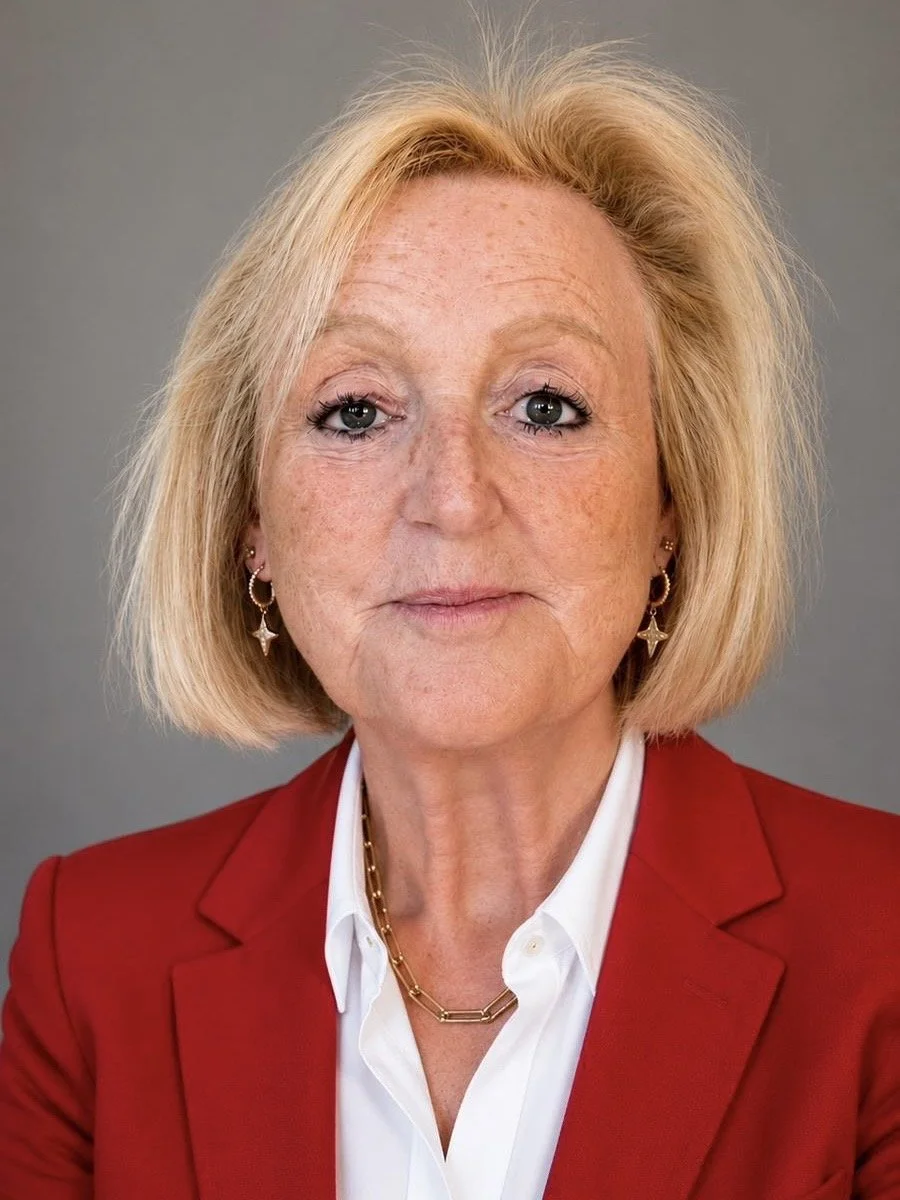
Debra Montague, President, Lung Cancer Europe
One day cannot hold a cancer that still takes more lives than any other in Europe.
World Lung Cancer Day is worth marking, but only if it makes us look honestly at what has changed and what has not.
There has been real progress in lung cancer. Earlier diagnosis is possible. Treatments have improved. Some people are now living for many years with a disease that once left them very little time.
I know how much that progress means.
But I also know that being alive does not tell the whole story.
Every year, Lung Cancer Europe asks people across Europe about the challenges they face living with lung cancer. Each report has looked at a different part of life. Money and work. Information and decisions about care. Mental health. The support people receive, or do not receive.
Together they give us something quite rare. A picture built up over time of what living with lung cancer really looks like, beyond treatment results and survival figures. And the same message keeps coming back. Progress in treatment has not always been matched by progress in the rest of people’s lives.
What sits behind survival
Five-year survival is important. It tells us whether someone is alive five years after diagnosis.
It cannot tell us how those years have felt.
It cannot tell us whether someone is living with difficult side effects. Whether they can work. Whether they can sleep the night before a scan. Whether they have enough money to pay the bills. Whether they understand their treatment choices, or feel heard when decisions are made.
It cannot tell us whether those added years feel like more life.
A recent Global Burden of Disease analysis looked at this across health as a whole. It found that people are living longer, but that the time spent in poor health has grown too. Between 1990 and 2023, life expectancy rose faster than healthy life expectancy.
That is a global picture, across hundreds of diseases. But it puts numbers around something people affected by lung cancer have been telling us for years. Longer life and better life are not automatically the same thing.
The evidence we have heard
Our 8th Report looked at the financial impact of lung cancer.
Almost two thirds of the people who took part said their household income had fallen since diagnosis. Among those who lost income, three quarters had lost more than a fifth of it, and almost half had lost more than a third.
Nearly half had struggled to pay costs linked to lung cancer. More than one in four had made a decision that affected their own care or treatment because of money.
That can mean going back to work before you feel ready. Missing appointments. Putting off supportive care. Spending savings that were meant for later life.
Our later reports looked at information, at how involved people feel in their own care, and at mental health. People told us they wanted their views to count when decisions were made, and too often felt they did not. They told us about going without information or support they needed. They told us about fear of the cancer returning, about anxiety, about isolation.
These are different reports, but not separate stories. Money affects mental health. Side effects affect work and relationships. Poor information makes uncertainty worse. Feeling shut out of decisions can leave someone less sure of their own care.
This is the reality behind a survival figure.
Taking people at their word
Nobody is saying longer survival does not count. Of course it does.
But people should not have to choose between more time and a life they can actually live.
We need treatments that work, with proper help to manage what they do to people. We need emotional support that is there when it is needed, not only when a service happens to offer it. We need clear information and honest conversations. We need practical help with work and money.
And we need to take people seriously when they tell us what a good outcome means to them.
The work still in front of us
When you live with lung cancer, reaching a milestone does not make everything go back to normal. Appointments may space out. Other people may decide the hard part is over. But the worry before a scan, the effects of treatment, the not knowing what comes next, none of that follows a neat timetable.
That is why quality of life cannot be treated as something softer, or less important, than survival.
It is part of the outcome.
I know this from my own life.
From 1 September, Lung Cancer Europe will open the survey for our 12th Report, on quality of life and support needs. We will ask people living with lung cancer, and those who care for them, to tell us what life is really like.
We have become better at counting added years. Now we need to understand them.

By Debra Montague
President of Lung Cancer Europe