
European Parliament backs stronger workplace protections linked to lung cancer prevention
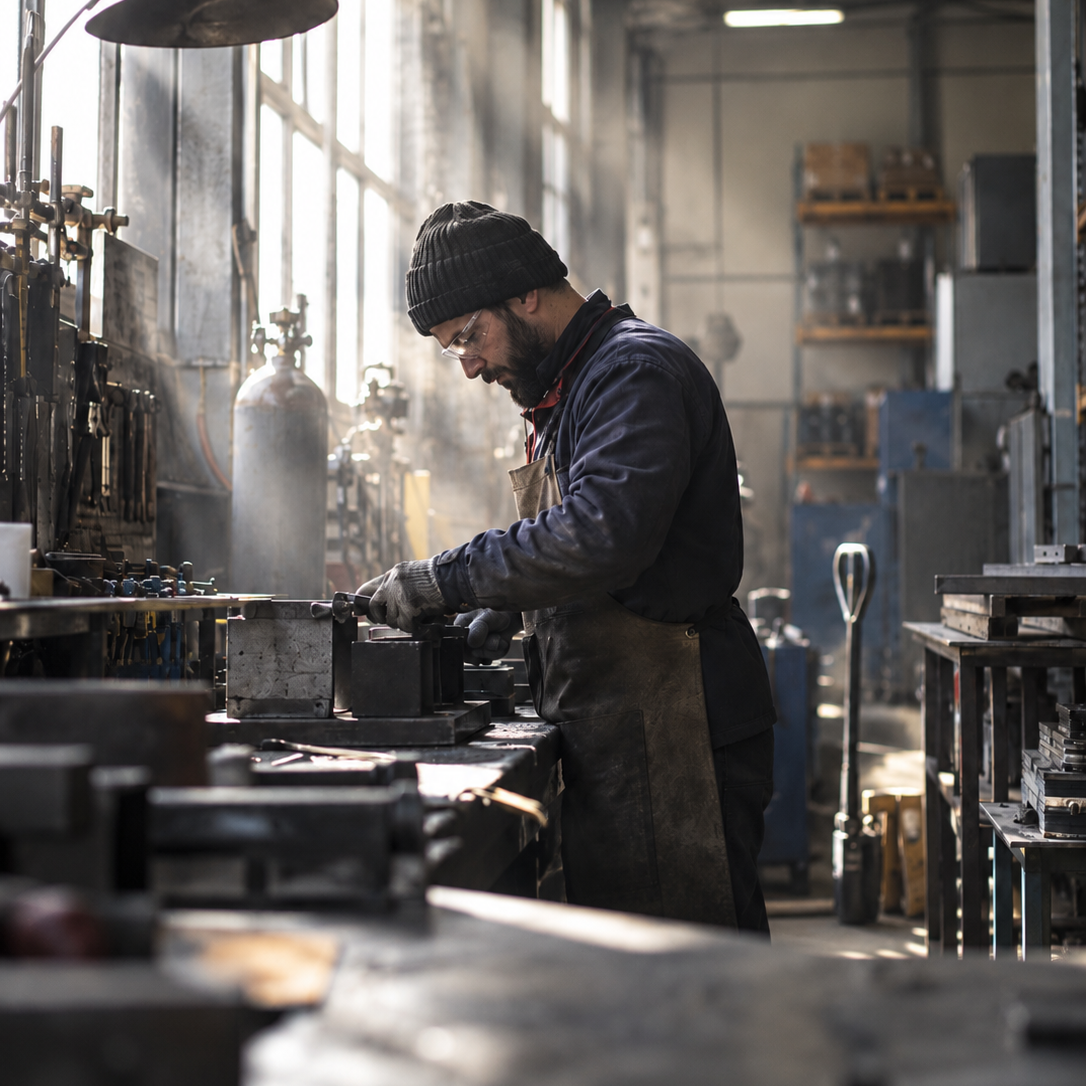
The European Parliament has backed new rules designed to reduce workers’ exposure to cancer-causing substances across the EU.
The vote took place on 6 October 2026, with 499 MEPs voting in favour, 49 against and 104 abstaining. It is the latest step in updating EU workplace rules on carcinogens, mutagens and substances that can affect reproduction.
One figure really stands out. The European Commission estimates that the measures could prevent around 1,700 lung cancer cases over the next 40 years, alongside around 19,000 other work-related illnesses.
These are projected future benefits, not cases already prevented.
That makes this much more than a technical update to workplace legislation. It is also a lung cancer prevention story.
What has changed?
The legislation is the sixth revision of the EU’s Carcinogens, Mutagens and Reprotoxic Substances Directive.
The updated rules introduce new or tighter workplace exposure limits for substances including cobalt and inorganic cobalt compounds, polycyclic aromatic hydrocarbons, 1,4-dioxane and isoprene.
These can be found or used in industries including battery manufacturing, steel and metal production, chemical manufacturing, textiles and rubber production.
The rules also bring certain welding fumes more clearly within the scope of the Directive and strengthen requirements around protective equipment.
You can read more about the measures in the European Parliament’s overview of the sixth revision.
The legislation is not yet fully in force. The Council still needs to complete formal adoption. Member States will then need to bring the requirements into national law.
How big is workplace exposure to cancer risk factors in Europe?
Bigger than many people may realise.
The EU-OSHA Workers’ Exposure Survey provides one of the clearest pictures yet of occupational exposure to cancer risk factors in Europe.
It found that 46.6 million workers were probably exposed to at least one cancer risk factor during their most recent working week.
More than one in four were probably exposed to at least two.
The most common exposures included:
solar ultraviolet radiation
diesel engine exhaust
benzene
respirable crystalline silica
formaldehyde.
The survey covered workers in Germany, Ireland, Spain, France, Hungary and Finland and represented almost 100 million workers.
Not everyone exposed will develop cancer - exposure and disease are not the same thing.
What it does show is how widespread workplace exposure to known cancer risk factors still is.
Which workplace exposures are linked to lung cancer?
There is no single type of job or industry linked to occupational lung cancer.
The European Code Against Cancer factsheet on occupational exposure lists a number of workplace exposures associated with lung cancer.
These include:
asbestos
respirable crystalline silica
welding fumes
diesel engine exhaust
arsenic
chromium
nickel
cadmium
radon
polycyclic aromatic hydrocarbons.
These exposures can occur across industries including construction, manufacturing, mining, transport and waste management.
The level of risk depends on the substance, the amount of exposure, how long someone is exposed for and what protections are in place.
Why lung cancer is part of the occupational cancer picture
Work-related cancer remains a major health issue in Europe.
EU-OSHA describes occupational cancer as the leading cause of work-related deaths in the EU.
Lung cancer is an important part of that picture.
That is one reason the latest EU changes are significant. It has been known for many years that workplace exposure can cause cancer. But, what is changing is how Europe measures those exposures and how tightly some of them are controlled.
The EU now has much better information on where exposure is happening, which groups of workers are affected and where prevention may be falling short.
That better evidence can now help inform future prevention and regulation, alongside the scientific evidence already used to set workplace exposure limits.
Why this is so relevant for lung cancer prevention
Lung cancer prevention is sometimes talked about as though it is mainly about individual behaviour.
It is broader than that.
People can be exposed to carcinogens through the air they breathe, the places they live and the work they do.
In the workplace, reducing exposure often depends on employers, regulators and governments. It may involve changing industrial processes, improving ventilation, reducing exposure at source or providing the right protective equipment.
That is why workplace protection belongs in the lung cancer prevention conversation.
The new rules will not remove every occupational lung cancer risk. They cover specific substances and processes, while other risks are already covered by separate legislation.
But the 6 October vote is important because it moves another set of protections closer to becoming law across the EU.
Prevention also means preventing exposure
Reducing the burden of lung cancer means looking beyond one risk factor or one route to prevention.
Screening and early detection are vital. So are cleaner air, safer workplaces and better protection from known carcinogens.
This latest EU vote is one part of that.
The next step is formal adoption, followed by implementation in Member States. The real test will be whether stronger rules lead to lower exposure in workplaces across Europe.